Did ChatGPT Beat Google at Its Own Game?
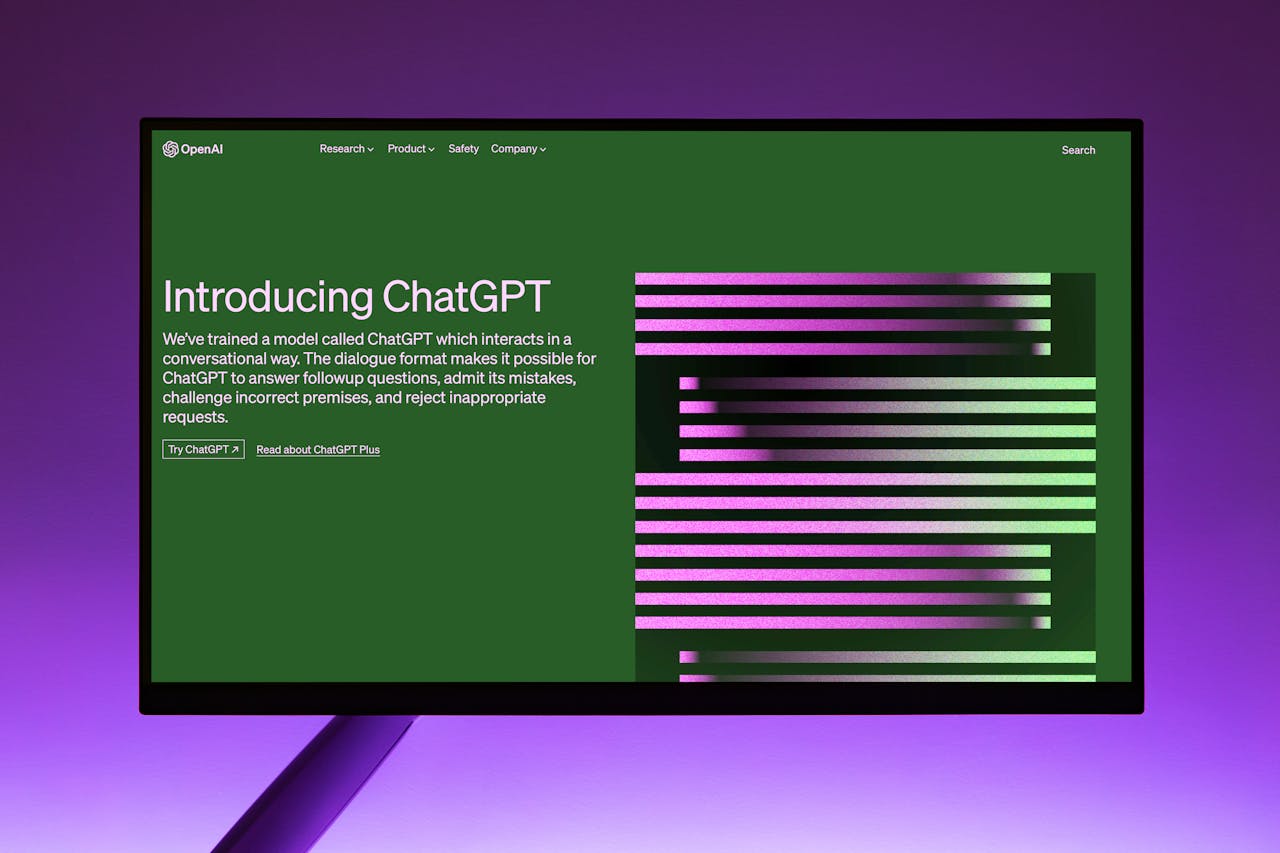
Once up a time,there was a time were we Googled everything. Now, game has changed, we do ChatGPT it.
Is that means Google falling behind in the very future it helped defined?
For nearly two decades, Google defined how we searched the internet. The phrase “Google it” became a reflex, not a suggestion.
So when Google entered the AI race with Gemini its answer to the rapidly rising AI assistant era many expected history to repeat itself.
But that hasn’t happened.
In fact, it’s starting to look like Google may be losing a battle it once seemed destined to win.
Cultural Mindshare
Before we even look at the numbers, let’s talk language. Because sometimes, the words people use tell you more than any statistic ever could.
Today, people don’t say “use an AI assistant.”
They say: “ChatGPT it.”
That shift reveals everything.
Verbification: Just like “Google it” became the universal command for searching, “ChatGPT it” is becoming the default verb for asking anything. When a brand becomes a verb, it no longer sells a product it owns a habit.
Generic Trademark Effect: Even when people use Claude, Gemini, or Perplexity, they’ll often say “I asked ChatGPT.” That’s a classic sign of brand dominance like Kleenex for tissues or Photoshop for editing.
Mental Monopoly: Ask someone to name an AI tool. Odds are, they’ll say ChatGPT. That’s what marketers call a mental monopoly when a single brand owns top-of-mind awareness in a whole category.
Gemini, despite Google’s powerful reach, just doesn’t live in people’s language or habits.
Late to the Game
Timing matters.
When ChatGPT launched in late 2022, it didn’t just work well it changed how people thought about AI. It was fast, friendly, and shockingly capable. People talked to it the way they might talk to a person.
By the time Google released Bard (which was later renamed Gemini), people already had a go-to assistant. The AI race was already moving and OpenAI was setting the pace.
Brand Fatigue and Identity Confusion
Google’s strength has always been scale. But in the AI space, it’s struggled with storytelling.
First, we had Bard.
Then, Bard became Gemini.
Along the way, messaging changed, product direction shifted, and branding wobbled.
Meanwhile, ChatGPT stayed simple and steady. One name. One focus. One clear identity.
This lack of continuity has hurt Gemini’s adoption. Users don’t feel a strong connection. Gemini doesn’t feel like a trusted “friend” or branded assistant it feels like a utility.
If cultural cues weren’t enough, the data backs it up.
If cultural cues weren’t enough, the data backs it up.

Global Market Share (June 2025)
United States: Market Share (June 2025)
AI Tool Market Share ChatGPT 79.8%
Perplexity AI 11.1%
Microsoft Copilot 4.9%
Google Gemini 2.2% Claude 1.1%
ChatGPT: ~160 million daily users
Gemini: ~35 million daily users
Even with its presence in Android and Search, Gemini’s direct engagement trails far behind.
United Kingdom: Market Share (June 2025)
AI Tool U.K. Share ChatGPT 78.3%
Microsoft Copilot 11.7%
Perplexity AI 5.7%
Google Gemini 2.6% Claude 1.3%
So, Has Google Gemini Lost?
Yes, at least for now.
In terms of daily usage, brand relevance, and cultural momentum, Gemini is clearly trailing far behind ChatGPT.
While Google can still leverage its ecosystem to push Gemini forwardembedding it deeper into Android, Chrome, and Search those advantages haven’t yet translated into preference or loyalty.
People aren’t just using ChatGPT more.
They’re talking about it more.
They’re relying on it more.
They’re defaulting to it.
And finally, We used to say, “Google it.”
Now, we say: “ChatGPT it.”