Notes From a Changing World

If you had told me back in college that music would one day become my personal language, I would’ve laughed. I wasn’t the sort of person who grew up thumbing through vinyl jackets or memorising band line-ups. Music entered my life softly, almost incidentally like a stranger who sat next to me on a train and somehow stayed for the entire journey. And maybe because it arrived without expectation or nostalgia, it felt purer, more intimate, more my own.
My earliest real connection began in college. Those late nights in echoing corridors, cheap Bluetooth speakers rattling with bass, half-finished assignments and half-sincere conversations that was my doorway into EDM.
Avicii, Calvin Harris, Martin Garrix their songs weren’t just background noise. They were jolts of electricity, five-minute heartbeats packaged as youth.
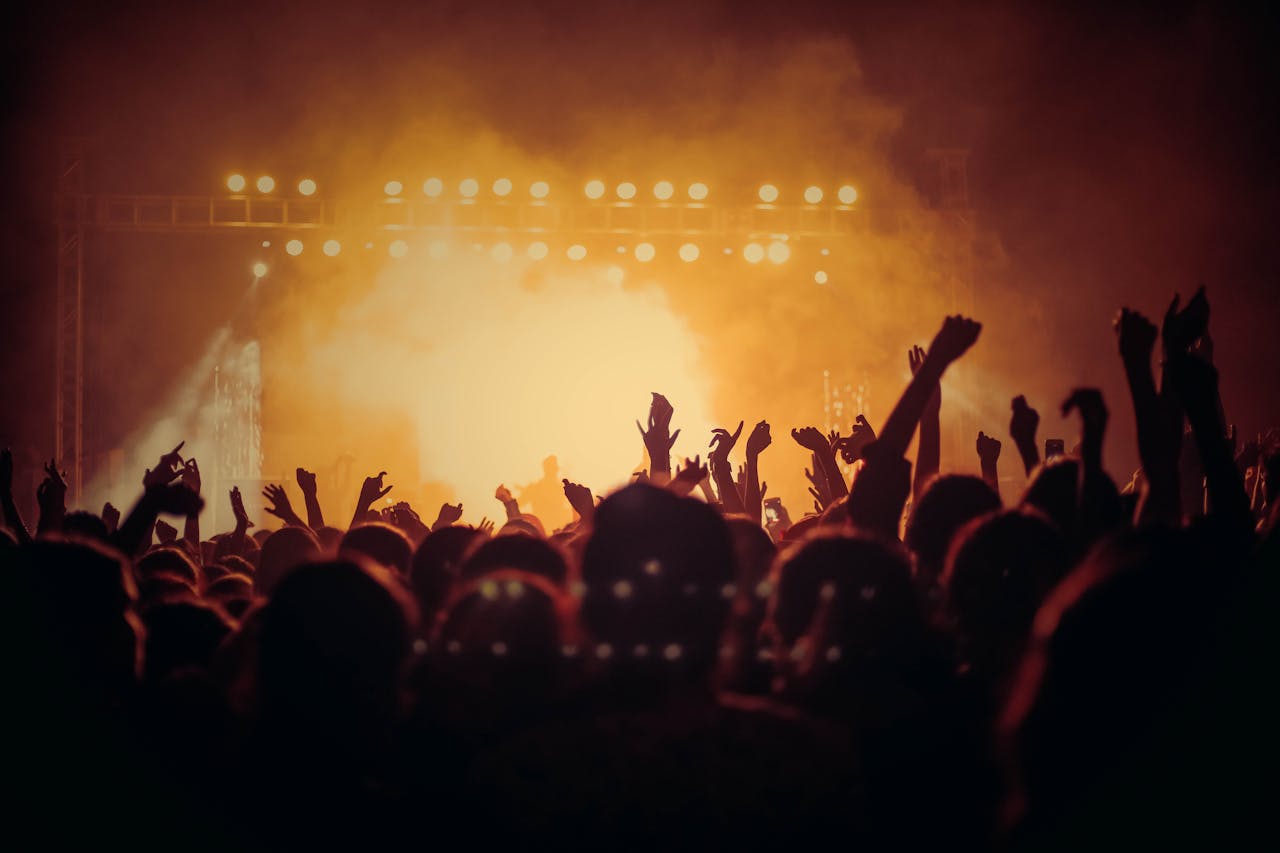
I didn’t wonder where the music came from or what culture shaped it. I didn’t analyse anything. I simply absorbed it. The build-ups, the drops, the rush EDM felt like momentum, like motion, like the feeling of running downhill without wanting to stop.
Life shifted when I moved to Bangalore. If college EDM was pure energy, Bangalore was a mood board. The city has this way of making everyone feel like they are living inside their own soundtrack. Somewhere between the crowded cafés, the unpredictable rain, the night walks, and the endless playlists shared between friends, rock slipped into my life. Or maybe it had been waiting in the background all along.
It started with names I had always heard but never truly listened to Pink Floyd, Led Zeppelin, Metallica. Their music didn’t burst into my life the way EDM did. It seeped in. Slowly, like water finding its way through cracks.
Guitars that cried with intention, drums that felt like alternate heartbeats, lyrics that read like philosophy set on fire rock didn’t demand attention, it earned it.
And for the first time, I wasn’t listening to escape something. I was listening to understand something. The deeper I went, the more questions I had. How could music created decades before I was even born feel more personal than anything being released now? That curiosity pushed me toward the history of rock and that’s where everything shifted again. The more I read, the more astonishing the truth became:
Rock wasn’t just a genre, it had once been the entire definition of pop culture.
From the 1960s through the 1990s, rock wasn’t “classic” or “retro.” It was the mainstream. It shaped youth identity, rebellion, fashion, politics, stadium culture entire generations. The Beatles reinvented songwriting. Led Zeppelin turned volume into power. Pink Floyd transformed sound into storytelling. Queen created anthems that transcended music itself. AC/DC and Metallica carried the flame into something heavier, louder, more visceral. Rock wasn’t a movement. It was the era.
Every teenager wanted a guitar. Every album release felt like a cultural event. Rock wasn’t a style it was oxygen.
But eras don’t last forever. The world shifted technology advanced, identities changed, culture cycles sped up. Rock didn’t die, it simply moved aside, giving way to new sounds, new moods, new revolutions. It became a legacy genre, a monument rather than a movement. And I realised that by listening to it, I was walking through history rather than trends.
That’s when the parallel hit me: My EDM favourites? Almost all from 2010–2016.
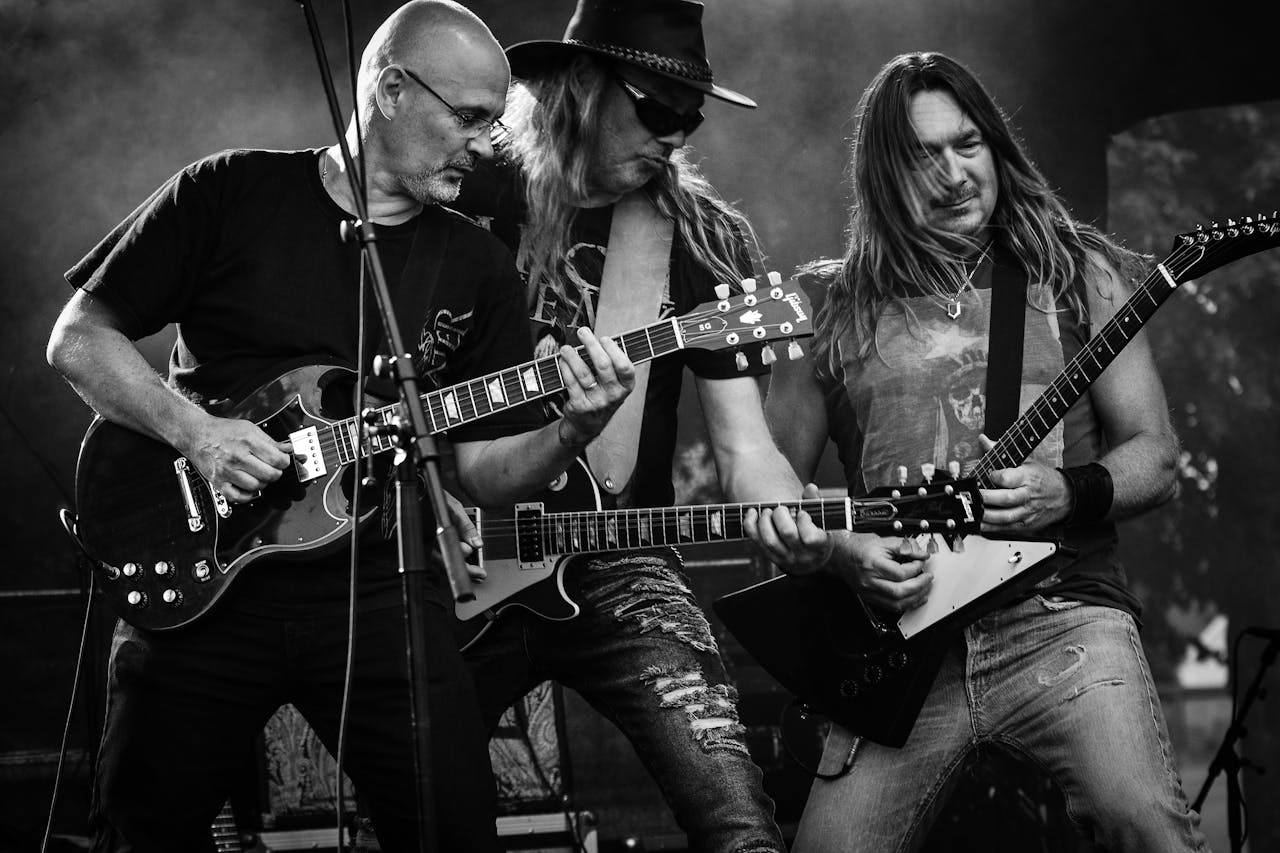
Just as rock had once ruled the world, EDM had taken over in the 2010s. Laptops replaced guitars, DAWs replaced rehearsal rooms. Avicii, Skrillex, Swedish House Mafia, Calvin Harris these were the modern rockstars. Festivals turned into pilgrimages. Tomorrowland and Ultra were today’s Woodstock. Songs like Levels, Animals, Lean On, Don’t You Worry Child didn’t just play they reverberated across continents.
Everything I loved had already lived its golden age. Not because I was rooted in nostalgia, but because these sounds had matured, completed their cycles rise, peak, saturation, reinvention. And as the music changed around me, I found myself changing with it.
But another shift was unfolding one less artistic and more unsettling. The world of music today doesn’t evolve the way rock once did or the way EDM burst into existence. Not organically. Not freely. Because now,
Tech companies and algorithms sit in the director’s chair.
The numbers made the truth unavoidable. In 2024, global recorded music revenue hit US$29.6 billion, with US$20.4 billion coming from streaming (IFPI). On-demand audio streams crossed 4.8 trillion, a 14% jump in a single year. Streaming apps alone generated US$53.7 billion, up 12.5%. And a handful of platforms dominate the ecosystem, Spotify around 31.7%, Tencent roughly 14.4%, Apple Music 12.6%. But these are more than statistics. They are gatekeepers.
In an algorithm-driven world, playlists decide what millions hear. “Discover Weekly,” “Trending Now,” and “Made for You” aren’t reflections of taste; they shape taste. DJs, radio hosts, and record stores once curated music. Today, machine learning teams and engagement metrics decide which songs surface and which disappear.
The power imbalance is so stark that in 2024, Apple was fined €1.8 billion by the EU for anti-competitive behaviour in the streaming ecosystem. It wasn’t just a fine it was a statement about how deeply tech companies influence what reaches our ears.
And this shift has changed the music itself. When rock was dominant, artists experimented fearlessly. Seven-minute tracks, concept albums, genre-defining risks the “album era” gave musicians space to breathe. Now, songs are shorter, hooks arrive faster, production is optimised for retention, not reinvention. Data favours what performs, not what provokes. Genre cycles spin so quickly that originality struggles to keep up with algorithmic preference.
Somewhere in all this efficiency, music lost a little of its mystery.
Maybe that’s why older sounds feel richer not because new artists lack talent, but because older music grew without algorithmic pressure, without skip-rate anxiety, without needing to “perform.” It had the luxury of being art before becoming data.
Looking back, I see my own listening mirrored in this history. I fell in love with rock and felt its legacy. I realised the music I cherished had once shaped entire cultures. And I saw how the industry’s architecture had changed so drastically that the kind of revolutions rock and EDM ignited might never happen the same way again.
The future of music will continue to evolve but not in sweeping, unified waves. It will be fragmented, global, algorithm-guided, broken into micro-scenes rather than epochs.